How to Choose Hiking Boots and Shoes: a Complete Guide
Key Takeaways
- How to pick hiking boots and shoes: Align footwear to your hike profile by mapping terrain, weather, distance, and pack weight. Then select the cut and support that meet those requirements. Maintain a brief list of your most frequent scenarios to inform quicker decisions in-store.
- Fit is what really drives comfort and injury prevention. Measure both feet at the day’s end with hiking socks, check toe room and heel lock. Consider arch type and width, and select styles that combat blisters, bunions, or plantar fasciitis.
- Walk the line between protection and performance with the right cut and materials for your trails. Employ waterproof membranes for wet, cold conditions and breathable synthetics or mesh for warm, dry climates.
- Determine construction from outsole lugs and rubber compound for grip, midsole material and stiffness for cushioning and stability, and uppers for durability, gussets, and toe protection.
- Boots versus trail runners: speed, support and longevity. Opt for boots if you’ve got tough terrain, heavy loads, and fickle weather. Choose trail runners for lighter, speedier days on benign trails.
- Complement comfort and longevity with quality socks and supportive insoles. Rotate dry pairs on multiday hikes and preserve waterproofness with regular cleaning and DWR treatments. Try them out on diverse terrain prior to purchasing.
How to select hiking boots and shoes based on terrain, fit, and load. Then, you match outsole grip to trail type, from soft mud to rocky.
Check midsole stiffness for support on long hikes ranging from 1.2 to 2.9. Consider feet with snug heels, roomy toe boxes, and locked-in midfoot.
Sample sizes in the afternoon, allowing for 1 centimeter of toe space. Select waterproof membranes for moist areas and mesh for heat.
We compare materials, lacing, and care steps next, with clear, simple tips.
Your Perfect Hiking Boot Match
To enhance your overall hiking experience, match your hiking shoes to real use: consider the terrain, weather, load, and distance. Strike a balance between waterproofing, breathability, and durability, as different types of footwear can affect your adventure. Ultimately, fit and feel still rule the roost.
1. Your Hike
Get your trails sorted first. On light, groomed trails, low-cut shoes with modest lugs manage packed dirt and park loops. For mixed or rocky trails, mid-cut boots with deeper lug geometry and a rock plate provide extra traction and puncture protection.
On steep, loose, or off-trail routes, high-cut models with torsional shanks and aggressive outsole compounds grip and shield. Weather defines the spec. In wet, cold, or snow, a waterproof membrane and gusseted tongue keep water out.
In hot, dry conditions, an open-mesh upper with no membrane ventilates perspiration and dries quickly. Load is important. If you carry more than 12 to 15 kilograms, go for stiffer midsoles, defined heel brakes, and reinforced uppers.
Daypacks under 8 kilograms can go lighter. Write down your common scenarios: urban trails after rain, alpine weekends with 1,000 meters of gain, or multi-day hut treks. Circle must-have features from that list.
2. Your Foot
Shape of the map before the model. Measure the width at your forefoot, your arch height and your need for toe splay. A spacious toe box avoids nail bruising on descents while contoured arch support aids midfoot stability.
Previous problems direct decisions. If blisters strike your heel, opt for a tight heel cup and softer collar foam. For bunions, search for stretch zones in the medial forefoot. Plantar fasciitis often favors a stiffer midsole with a mild heel drop.
Size late in the day with hiking socks. Aim for 10 to 12 millimeters of toe clearance on descent. Fit both feet and select size by the larger foot.
Brand fit guide (common tendencies):
- Wide/high-volume: Altra, Keen, Topo
- Narrow/low-volume: La Sportiva, Salewa
- Medium/standard with variants: Merrell, Scarpa, Lowa
3. The Cut
Choose cut for support and debris management. Low-cut is quick, light, and best on sure trails. Mid-cut gives additional lateral hold for uneven terrain. High-cut secures the ankle and prevents scree in harsh terrain.
Step it up for steep talus, snow, or heavy packs. Go lower for speed, dry trails, and travel. Trade-offs are clear: more cuff means more protection and weight, plus less airflow.
Quick reference:
- Low: day hikes, travel, dry paths
- Mid: mixed terrain, light overnights
- High: rugged routes, heavy loads, four-season
4. The Feel
Comfort has to be immediate, with no hot spots. If it rubs now, it will rub even more at 15 kilometers. Walk stairs, ramps and a sloped board. Examine cushioning rebound and lateral stability.
Your heel shouldn’t lift. Lace-lock eyelets assist with this. It should flex where your toes bend, not behind it.
5. The Material
Full-grain leather resists abrasion, molds to the foot, and seals well when waxed. Synthetics, such as engineered mesh and ripstop nylon, trim weight, dry quickly, and breathe better.
Waterproof membranes such as GORE-TEX or eVent keep out the rain but trap heat in hot conditions. Non-waterproof treated mesh and fast-dry socks can beat heat and light showers.
Plan care. Brush dirt, rinse salt, reproof DWR and condition leather sparingly. This maintains breathability and water bead-up.
Leather versus synthetic in brief: Leather is durable, stable, and requires more break-in time. Synthetic is light, quick-drying, and cooler in heat.
Deconstructing the Boot
A hiking boot is a stack of systems: uppers manage fit and weather, midsoles manage load and shock, outsoles manage grip and braking. Every layer alters waterproofing, durability, and comfort. Chart your priority — wet trails, long days, or steep ground — and cement the non-negotiables prior to style or color.
[Diagram: Boot Anatomy]
- Upper: collar, tongue (gusseted), eyelets, overlays, toe cap, heel counter
- Midsole: cushioning core (EVA/PU), shank/plate, arch profile
- Outsole: rubber compound, lugs, heel brake, flex grooves
Uppers
Water reigns supreme when it comes to choosing the right hiking shoes. For frequent rain, stream crossings, or wet grass, a waterproof model with a Gore-Tex or eVent membrane under a synthetic or nubuck shell blocks ingress while resisting abrasion. In hot dry zones, opting for open mesh with no membrane allows heat to vent and dries quickly, making it a viable footwear option when temperatures reach 30°C or higher, though it isn’t morning dew resistant.
In hot dry zones, your open mesh with no membrane vents heat and dries quickly. It feels cooler at 30°C or higher but isn’t morning dew resistant.
A gusseted tongue, stitched up to near the top eyelets, is essential to prevent grit and water from getting in. This tiny feature spares you from scree or fine dust that can damage socks and skin during extended trips. Reinforced toe caps and firm heel counters protect against rocks and enhance heel hold on descents, crucial for navigating rugged terrain.
For those hiking on volcanic scree or limestone, a full rand makes a significant difference in protection and stability. On gentle woodland trails, half-caps can suffice, but it’s essential to choose the right pair of hiking boots to ensure a successful hiking trip. Understanding the different types of hiking footwear available will enhance your overall hiking experience.
Ultimately, whether you’re preparing for a leisurely day hike or adventurous backpacking journeys, selecting quality replacement footwear is key. Consider your shoe size and the specific conditions you’ll encounter to make the best choice for your next trip.
Midsoles
Cushion and shock absorption minimize foot drag at the end of long days, particularly with a pack weighing more than 10 kg or on rocky trails that impale the forefoot with sharp loads. When selecting hiking shoes, check for apparent thickness under the heel and forefoot, as well as any mentions of a rock plate.
The choice between EVA and PU materials is crucial. EVA is light, soft, and ubiquitous in trail running shoes, providing a plush feel but can pack out sooner. In contrast, PU is heavier and stiffer, which maintains form, carries heavier loads, and wears longer. Other hybrids feature EVA cores with PU frames for added durability.
Match stiffness to terrain for the best overall hiking experience. A stiffer midsole and nylon shank stabilize edges on sidehills and via ferrata approaches. Light, nimble builds are ideal for groomed trails and short hauls. Test torsion by twisting the shoe; a little twist indicates more support.
Arch support to fit your foot. Neutral arches thrive with moderate contours. Low arches could use firmer posting or an aftermarket insole. High arches love defined midfoot cups to disperse load.
Outsoles
They should have deep, spaced lugs (4–6 mm) to bite in mud and loose gravel. Shallower, denser lugs roll smoother on hardpack and pavement but clog sooner.
Rubber compounding is a craft. Softer mixes grip wet rock and roots, but they wear faster. Tougher blends wear longer on basalt or concrete surfaces, but will slide on slime.
Self-cleaning tread – Tapered, open channels allow mud to shed as you flex. They are heel brakes that provide control on precipitous descents by digging in a biting edge.
If you use microspikes or strap-on crampons, check a specific heel ledge and a rigid platform. Flexible trail runners go best with microspikes, not crampons, while mid-stiff boots accommodate hybrid crampons for lighter snow travel.
The Great Debate
Choosing between hiking shoes and trail runners depends on your load, terrain, distance, and weather. Both types can work across seasons and regions, but each excels in different use cases. Weight, protection, and versatility set the frame. Hiking boots add structure and shielding, while trail running shoes cut grams and dry fast.
Hiking Boots
Choose boots when you desire solid ankle support on rocky, rutted, or off-trail terrain. Additional collar height and torsional stiffness come in handy when side-hilling, moving on talus, or scrambling with a heavy pack. Many hikers like boots in the winter or shoulder seasons due to their thicker uppers and stiffer midsoles that help tame uneven ground and reduce fatigue.
Waterproof membranes are important on long, wet treks. A sealed boot provides moments in rain, slush and ford crossings, particularly when supplemented by gaiters. In hot, humid zones, the same barrier can trap heat. Once wet, drying is a sluggish process.
Durability is higher. Full-grain leather, rubber rands and dense outsoles take on scree, snow and abrasive brush for a full season or more. Certain pairs are resoleable. Swap around 800 kilometers, or sooner if the tread lugs flatten off or the midsole caves.
The trade-offs are more mass and longer break-in. That’s 200 to 300 grams more per shoe than many trail runners, which really stacks up over 20-kilometer days. The stability dividend is real when lugging 12 to 20-kilogram packs over rough ground.
Trail Runners
Pick trail runners for light, speedy going on established routes. A lower stack height and flexible uppers provide quick footwork and better ground feel. Many other thru-hikers swear by them for long-distance routes because the weight savings translates to less joint stress over thousands of steps.
Breathable mesh and quick-dry fabrics glisten in heat and scattered showers. Feet remain cooler, hot spots are less, and overnight drying is possible in mild climates. Comfort is almost immediate. Minimal break-in facilitates impromptu day hikes and travel requiring just one shoe for transit and trail.
Notice the diminished ankle support and reduced lifespan. Anticipate replacement at about 800 kilometers or when lugs wear or foam packs out, often earlier on abrasive volcanic rock. Some hikers love trail shoes for their versatility. They are able to handle mixed terrain from park paths to moderate alpine trails, but they fall short in deep snow, heavy packs, or bushwhacks.
Quick Comparison
- Boots provide higher protection and are better for winter, off-trail, and heavy packs.
- Trail runners are lighter, cooler, and favored by long-distance hikers in surveys.
| alternatives | advantages | disadvantages |
|---|---|---|
| Boots | Support, protection, durability | Heavier, slower to dry, break-in |
| Trail runners | Lightweight, breathable, rapid comfort | Minimal support, limited durability |
Beyond the Boot
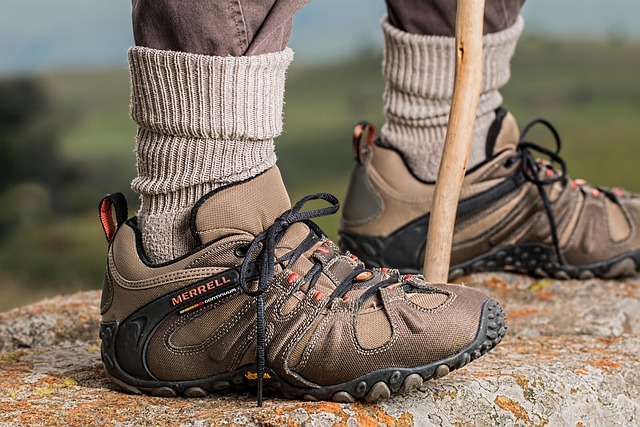
Shoes function as a system, where the right socks and insoles enhance the overall hiking experience. This combination helps mitigate injury potential and preserves the value of hiking shoes season after season.
Socks
Opt instead for moisture-wicking, quick-drying hiking socks to enhance your hiking experience. Merino blends and technical synthetics wick sweat, buffer temperature, and help ward off hotspots in three-season temperatures where breathability counts. They dry quickly after stream crossings or rain, which is crucial if you wear lightweight hiking shoes that invite water in but spit it out fast.
Leave out cotton. It retains water, causing the shoe to swell and soften the skin, increasing blister susceptibility. Even on brief day hikes, damp cotton can chill your feet and rub raw.
Match thickness to weather and fit. Thin liners pair well with tight low-cut shoes or trail running shoes, while midweight socks add cushion beneath midweight boots. Heavyweight socks provide bulk on colder, high-altitude trips or inside mountaineering boots. Try on the right socks at the end of the day when your feet are a bit swollen.
Trade pairs on multiday hikes. Bring two or three changes, change at lunch to keep feet dry and air the soiled pair on your pack. A fast wash in camp holds down salt. Dry feet extend life and prevent stank.
Insoles
Stock insoles tend to be pretty flat and floppy. Aftermarket inserts provide arch support, heel cupping and torsional control that diminish fatigue over long days, particularly if you tote a heavier pack in featherweight boots. This comes in handy if full-shank boots feel stiff and clunky, but you still require support on rugged terrain.
Swap insoles when compression lines persist or crush dead. Regular hikers can exchange them every 400 to 600 kilometers. Exchange them more often if you run hot, sweat a lot, or hike rocky terrain. New insoles bring back shock absorption and can breathe life into fine leather boots that can save you thousands of miles.
Look for antimicrobial top sheets. They slow odor and bacteria buildup, which is useful in warm, humid trips and on three-season routes where quick-drying footwear sees lots of sweat.
If you’re picky, go for heat-moldable or custom orthotics. They adjust arch height and forefoot posting to arrange knee and hip alignment. Handy with all classes, lightweight (less than or equal to 0.9 kg per pair), midweight (approximately 0.9 to 1.1 kg), and heavy-duty (greater than or equal to 1.1 kg) shoes, so you can select the appropriate chassis without sacrificing support.
Accessory Checklist and Fit Strategy
- Socks: Merino or synthetic, two to three pairs, thickness matched to fit.
- Insoles: supportive aftermarket or custom; replace when packed out.
- Blister kit includes hydrocolloid pads, tape, alcohol wipes, and a needle for drainage.
- Gaiters are short, breathable models designed for grit with trail runners and low-cuts.
- Foot balm and powder: lube high-friction zones and damp feet at camp.
- Spare laces and a small brush help clean grit, protect eyelets, and extend boot life.
Footwear selection lives within a minimalist philosophy. A lot of hikers opt for low-cut shoes or trail runners for three-season backpacking, appreciating the breathability and rapid dry times, but they wear out sooner.
Trail runners last approximately 500 miles, while hiking shoes last approximately 800 to 1,000 miles. Hardcore boots provide ruggedness and cushioning for massive weights, but they expend power with every stride.
There’s nothing like lugging a 40-pound pack with ultra-light shoes for a few days to put your feet and back through a blender. Love your leather boots well and they are an incredible value for years if you resole and condition them.
The Waterproof Question

Waterproofing needs to correspond to where and how you hike, especially when considering different types of hiking shoes. It’s not a mark of excellence by itself; choose the right pair according to climate, trail exposure, and trip duration.
Decide if you need waterproof hiking boots or shoes based on your local climate and typical trail conditions.
In wet, cool, rainy climates with boggy trails, snow, or shallow water crossings, a waterproof model is essential for a successful hiking trip. Imagine coastal ranges, highland moors, and temperate forests where the right pair of hiking shoes can enhance your overall hiking experience. If your runs cover dew-heavy grass or slush, the sealed seams and gusseted tongue in quality replacement footwear keep your feet dry longer.
For dry or mixed climates—desert mesas or sweltering summers on packed trails—non-waterproof mesh shoes are often a viable footwear option. They dry quickly after brief splashes and feel cooler when it’s hot. For long treks with consistent rain, consider hiking boots featuring a complete membrane and tall rand for added protection.
For day hikes with light drizzle and occasional puddles, a waterproof low shoe suffices. If you encounter deep water, gaiters are useful to protect your feet while ensuring comfort on the trail.
Understand the limitations of waterproof membranes, including reduced breathability in hot weather.
Membranes contain liquid water with a microporous or monolithic film but let water vapor through. That flow decreases when humidity and temperature inside the shoe are high, such as in warm weather or steep climbs. Your socks can get soggy from sweat even when the rain holds out.
In fine dust or clay, pores clog and breathability plummets more. Stiff overlays and dense linings impede moisture discharge. Anticipate slower dry times after a complete dousing than non-waterproof mesh. In heat above 25°C, many hikers sense clammy feet in membranes, while in cold wind the same barrier feels warm and stable.
Maintain waterproof footwear by cleaning and reapplying DWR treatments as needed.
Wash off mud after every hike to prevent dirt from sanding down seams. Brush dry dirt, then hand-wash with mild soap. Let air-dry away from heat. When water ceases to bead on the outer fabric, wash, then reproof with a water-based DWR spray.
Heat-set only if the brand says it’s safe. Test the midsole bond, toe cap, and welt—micro-gaps wick water in. Substitute crushed insoles; damp foam douses sweat and delays drying. Take extra socks for multi-day excursions. Rotate pairs to allow linings to dry for 24 hours between uses.
Weigh the benefits of waterproof protection against the potential for increased sweat and discomfort.
Waterproof’s reign for cold rain, snow, and slow, wet miles, non-waterproof’s glory for hot, dry, and high-output days. If you run warm, opt for non-waterproof mesh and quick-dry socks. If you run cold or hike in wind and drizzle, go for a membrane and merino socks.
For shoulder seasons, a light membrane shoe with vent panels is a good compromise. Try both in-store: wear hiking socks, walk on an incline, and note heat build-up within five minutes.
Finding Your Fit

Feet swell during the day and on the trail, so aim for a fit that feels snug under load, allows room for swelling, and protects your tootsies with the right hiking shoes on the descent.
Try on hiking boots or shoes at the end of the day when your feet are slightly swollen for the most accurate fit.
Shop late afternoon or evening. Your feet normally swell 3 to 5 percent by day’s end, and even more on long hikes, so testing then provides a more accurate read. A lot of hikers go up 0.5 to 1 EU size for multi-day treks to provide expansion space, but consider this a starting theory, not a rule.
Size is not concrete; it’s different for each brand, for each last shape, and even between model updates. A EU 43 in one brand may correspond to a EU 44 in another. Experiment with different styles and brands one after the other, and don’t settle for the first pair that feels ‘good enough’.
Hold out for that Cinderella moment when fit, shape, and hold all just click, without flurry or coercion.
Wear your preferred hiking socks during fitting to replicate real trail conditions.
Pack the real socks you hike in, not store-bought thin liners. Medium or heavy merino sock shifts internal volume a few millimeters, enough to change toe room and heel hold. If you rotate socks for seasons, test both a thin warm-weather sock and a thicker cold-weather sock.
If one boot has to do it all, pick a fit that is tight with thin socks and use lacing adjustments or volume eliminators, which are thin footbeds, for the thick socks, not vice versa.
Ensure there is adequate room in the toe box to prevent black toenails and blisters on descents.
Stand and gently kick a hard surface. Toes should not jam. You need approximately a thumb’s width (10 to 12 mm) ahead of the longest toe when standing and a tad more for steep, long descents.
Check width too. The forefoot should spread without hot spots along the fifth metatarsal. Wide, standard, and low-volume are available across brands, so test them. If the toe box fits but the midfoot swims, try alternative lacing, such as window lacing or a surgeon’s knot, to lock down volume.
Walk around the store, testing for heel lift, pressure points, and overall comfort before committing to a purchase.
Use an inclined ramp if possible. Climb to prove forefoot flex and arch feel, descend to reveal heel lift. Heel lock is critical: aim for less than 5 mm vertical movement.
If the heel lifts, tie a runner’s loop and adjust instep tension. If lift persists, the last is probably wrong for your heel. Check for pressure at the navicular, malleolus, and bunion area after 10 to 15 minutes of walking.
Comfort in motion trumps style and tagged size every time. Sample several, circle the store again, and select the one that still feels natural after a deep walk.
Conclusion
To select the appropriate boots, align the footwear with the trail, your pack weight, and weather conditions. Light trail with a day pack? Opt for a low shoe with a stiff mid-sole and sticky lugs. Multi-day adventure with a 12kg pack? Go for a mid or high boot featuring a stiff shank and a snug heel cup. Hot, dry zone? Use mesh uppers. Wet cold zone? Use a liner and a rand that seals well.
For fit test, lace up, hike a few steps, and check toe room on downhill ramp. Ensure no heel lift and no blisters. Try on with socks you intend to wear.
To begin, share your favorite trails and equipment. Leave a brief comment or question and I will assist you in narrowing down your selection.
Frequently Asked Questions
How do I choose between hiking boots and hiking shoes?
Select your hiking shoes according to terrain, load, and distance. The right pair of boots provides ankle support and protection for rugged terrain and heavy packs, while trail running shoes are lighter and breathe better for day hikes and groomed trails.
What features matter most in a hiking boot’s construction?
Concentrate on the upper material, midsole, outsole, and lacing when selecting hiking shoes. Leather uppers, such as grain leather boots, stand up to abuse, while synthetics are lighter. EVA midsoles cushion, and TPU adds stability, enhancing your overall hiking experience.
Are waterproof boots worth it?
Yes, during wet climes, shallow stream fords, and long drizzles, the right hiking shoes keep feet drier but run warmer and dry slowly. In hot desert areas, non-waterproof models breathe better and dry quickly, making them a viable footwear option.
How should hiking boots fit?
Target snug heels, a locked-in midfoot, and toe room to wiggle when selecting hiking shoes. There should be no heel lift at all while walking uphill. Toes cannot bash the front on downhills. Test with the right socks and insoles, and try on in the afternoon when your feet are a bit swollen.
What outsole and tread are best for traction?
Seek out sturdy rubber with deep, widely spaced lugs for your hiking shoes. This enhances traction and sheds mud, making them ideal for various types of trails. Multi-directional patterns assist on descents and sidehills, ensuring a successful hiking trip.
Do I need ankle support for hiking?
When considering your hiking experience, it’s essential to choose the right footwear based on your ankles, load, and terrain. For those traversing rugged terrain with a heavy pack, perfect hiking boots or mid-cut hiking shoes provide additional stability, while low-cut shoes are suitable for smooth trails.
How do I break in new hiking boots safely?
Begin on short, flat routes with the right socks and your trail running shoes. Gradually increase distance and elevation. Tighten laces to avoid hot spots; if pressure points persist after a few hikes, consider trying a different size or model of hiking shoes.