Hiking Boots vs. Trail Runners: Which Should You Choose?
Key Takeaways
- Learn the fundamental stability-agility tradeoff. Hiking boots lean towards ankle support, thick soles, and protection in rugged terrain. Trail runners focus on lightweight comfort, flexible soles, and a natural gait for speed and long days.
- Match footwear to terrain and conditions. Use boots for rocky paths, serious climbing, mud, and snow. Go with trail runners for groomed trails, dry conditions, and speed. Think about waterproof membranes or quick-dry uppers if you’re encountering wet trails more frequently.
- Match support to your body, pack, and pace. Go boots if you pack heavy, suffer from old ankle injuries, or plod slowly through technical terrain. Opt for trail runners if you journey light and fleet and hate a long break-in.
- Trade weight for durability and protection. Boots are heavier, but they hold up better and protect against hits. Trail runners minimize fatigue and maximize agility, but they abrade away faster and provide less armor on abrasive terrain.
- Try before you buy! If possible, try on several models, check heel lock, toe room, and midfoot hold. Then walk inclines and mixed surfaces to test traction, comfort, and blister prevention.
- Just think about owning both for all year-round versatility. Boots are for winter, big packs, and gnarly trails. Save trail runners for summer, day hikes, and higher mileage to preserve each pair and maximize longevity and preparedness.
Hiking boots and trail runners are two popular footwear choices for day hikes, thru-hikes, and hybrid terrain.
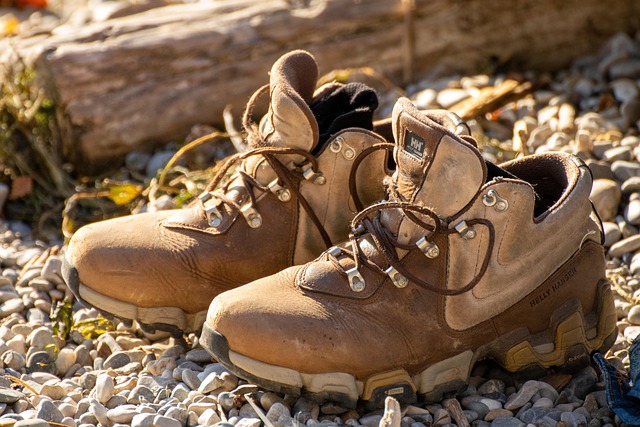
Boots provide ankle support, stiff midsoles, and sturdy uppers for load carrying and rocky terrain.
Trail runners provide low weight, fast drying times, and better breathability for those long miles.
Grip patterns, stack height, and drop vary by model and influence gait and foot fatigue.
To make a savvy selection, consider terrain, pack weight, weather, and foot history.
The Fundamental Differences
Hiking boots and trail running shoes address different issues. Sturdy hiking boots rely on a stiff structure, coverage, and durable long-term toughness for rough, multi-directional terrain, while trail runners prefer lightweight footwear, flexibility, and breathability to run fast and comfortably. The critical variables include ankle support hiking boots, midsole stiffness, sole geometry, and upper materials, all calibrated to a specific terrain and pack weight.
1. Support
Hiking boots employ taller cuffs, stiffer heel counters, and stiffer midsoles to resist ankle inversion and torsion on ruts, talus, and side-hill traverses. This scaffolding comes in handy when lugging heavy packs, fighting late-day fatigue, or nursing an old sprain. Some hikers notice less rolling in boots, while others claim that support is more a matter of strength and footwork than collar height.
Both are true depending on gait mechanics and conditioning. Trail runners sit lower with minimal collars, which liberates the ankle and allows your foot to follow a more natural gait. A lot of hikers enjoy the superior ground feel and quicker proprioceptive feedback, particularly on groomed trails and gentle inclines.
If you carry 15 to 25 kilograms, or if your ankles are history, supportive boots are still a safe choice. Lighter packs, strong ankles, and regular hiking will swing you toward trail runners.
2. Traction
Boots typically deploy deep, blocky lugs and hard-wearing rubber to find grip on slick mud, wet roots, and broken rock. The patterns shed mud better and remain consistent under pressure. On steep, loose slopes, the aggressive heel brake comes to your rescue.
Others trail runners prefer sticky rubber and nimble lug shapes for fine-edging on wet rock slabs, logs and technical singletrack. They perform excellently on dry grit and mixed gravel but may clog sooner in heavy mud. Match the outsole to the dominant surface you hike most weeks, not the rare outing.
Here’s a quick pairing matrix:
- Mud, snow patches, scree: boots with deep lugs
- Wet rock, boardwalks, urban links: sticky-rubber trail runners
- Mixed forest track: either, depending on pack and pace
3. Weight
Boots tend to come in closer to 1.1 to 1.4 kg per pair, which is equivalent to 2.5 to 3 plus lb. That additional weight accumulates over thousands of steps and can drag you down on extended days.
Trail runners typically weigh 560 to 710 g per pair, which is 20 to 25 oz, which minimizes fatigue and keeps cadence high. Ultralight hikers and fitness trekkers choose runners to conserve energy and cover ground quickly. The trade-off is clear: more armor versus more mobility.
4. Durability
Full-grain leather or composite-reinforced boots fight through abrasion, delam risks, and hot, rocky miles. That toughness means one less concern in a place where replacements are limited.
Trail runners wear out sooner, particularly on long distances such as the PCT, so anticipate more frequent exchanges. If you hike short, local trails, the shorter life may be no problem. For long, scratchy trips, boots endure.
5. Protection
Boots protect toes and ankles with randing, toe caps and tough uppers. The higher cut stops sharp rocks, spiny plants and sticks. Waterproof membranes and insulated alternatives trudge through snow, puddles and cold slush.
Trail runners cover less but typically have reinforced toe boxes and water-resistant uppers. They inhale easier and stretch out further, perfect in the heat and rush. Select protection according to your terrain, anticipated weather and the level of abuse your routes deliver.
Which is Right for Your Trail?
About matching footwear to terrain, weather, pack weight, and your body. Bad shoes lead to blisters, slips, and joint pain.
- Trail surface and grade
- Weather and water
- Pack mass (kg)
- Distance and pace
- Foot/ankle history
- Need for toe/sidewall protection
- Venting vs waterproofing
- Local repair/cleaning options
- Budget and durability
- Break-in window
Use a simple decision matrix: score boots and trail runners across traction, protection, breathability, drying time, weight, and stability for your planned route and season. For hot, dry, fast days with a light pack, trail runners typically triumph.
Boots still tend to score higher when it comes to cold, heavy packs and rough ground. When in doubt, map shoes to the most aggressive portion. Sandals are okay just when the trail is dry, smooth, and warm.
Groomed Paths
For park loops, urban greenways and well-marked, flat wooded trails, lightweight trail runners or hiking shoes seem appropriate. Low mass reduces fatigue and aids cadence. Breathable uppers and minimal break-in decrease hot spots during short jaunts.
Hiking sandals or cross trainers go on dry, even ground. Opt for stiff midsoles and simple toe bumpers for errant roots. Avoid high-cut, heavy boots unless you require bracing after previous injuries or you lug a toddler or cumbersome photo equipment.
Trail runners fit a lot of three season hikes, providing nimbleness and unrestricted ankle rotation. Personal experience: they hit a “Goldilocks” balance for many hikers. Note: ankle sprains can happen in both boots and runners. The difference is smaller than many think.
Rocky Terrain
Select robust hiking boots or supportive mid/high-cut versions for talus, scree, and granite stair-steps. Thick midsoles, rock plates, and protective toe caps guard against hits as well. Rugged rubber outsoles with defined lugs enhance edging on ledges and roots.
Some trail runners with hard plates and sticky compounds are workable on rock, especially with light packs. Higher-cut boots provide extra defense against razor-sharp rocks, spiny plants and sticks, which depend on brushy, abrasive trails.
Not enough protection in this area results in bruised soles, stubbed toes, and rolled ankles. If your pack is heavy, boots keep repetitive stress in check.
Mud and Water
- Waterproof membrane (e.g., ePTFE) or hydrophobic leather
- Gusseted tongue, sealed seams, and rand protection
- Aggressive self-cleaning lugs that shed mud
- Quick-dry liners or drain ports in non-waterproof models.
Waterproof boots and runners assist in sporadic wet conditions, but one huge misconception claims waterproof is invariably warranted. In warm, sustained wet conditions, non-waterproof mesh dries quicker from a full soak.
Breathable socks can add waterproofness when you need it. Pick according to how wet your trails typically are, not the weather report. Thin mesh joggers bog down in consistent bog and clay.
Steep Ascents
Steep climbs reward stiff soles, heel lock, and ankle support in boots, particularly with trekking poles and loads over 12 to 15 kilograms. A firm platform slices calf strain on steps and forefoot burn.
Lightweight trail runners with sticky rubber can climb well on dry, grippy terrain. They have snug heels and sharp lugs to stop backslip on loose grit.
Pair traction and support to grade and the crux moves. Fitness and pack weight matter. Fit hikers with light kits do well in runners. Heavy loads favor boots.
Which is Right for You?
When it comes to hiking footwear, it depends on your body, your pack, and your pace. Match what you wear to where and how you hike, then try on comfortable hiking shoes or trail running shoes. The right pair boosts your performance and makes the day fly by.
Your Body
If you have old ankle sprains, plantar fasciitis, or a more solid build, support hiking boots are essential. Higher-cut boots provide lateral stability and protect against jagged rocks, spiny plants, and sticks. A heavier hiking boot tends to be more rugged, which comes in handy if you journey somewhere that locating a good replacement is difficult. For those embarking on a long hike, investing in durable hiking footwear is crucial.
Good legs and no injury history? Trail running shoes can really shine. Many hikers choose the nimbleness and mobility offered by trail runners over the secure sense of traditional boots. After decades of off-trail days, they’ve had knocks and scrapes to the ankle but never had to cut a trip short, proving protection requirements can be individual.
Fit is non-negotiable. Prioritize heel lock, downhill toe room, and even midfoot pressure. Cushioning appropriate for your weight and stride combats shin splints and sore feet. Experiment with several lasts in both hiking footwear and trail shoes, and wear the socks you intend to hike in.
If you have flat arches, high insteps, bunions, or wide forefeet, use a hiking footwear guide to map foot type to design: straight-last boots for pronation, rocker soles for tight calves, and wide-toe-box trail runners for splay. Custom or semi-custom insoles can fine-tune your support for optimal comfort on your adventures.
Your Pack
Use this checklist:
- Day hikes, pack under 5 kg, dry trails: trail runners for speed and grip.
- Overnight to weekend, pack under 10 kg: trail runners or light hiking shoes, quick drying and agile.
- Multi‑day, 10–20 kg: mid‑cut boots or robust trail shoes provide torsional control.
- Over 20 kg or rough, off-trail: stout, higher-cut boots with firm midsoles.
Light packs go great with trail runners or comfort hiking shoes and keep you gliding with less fuss. If you frequently carry an excessive load over 20 kg, lighter, less supportive footwear can contribute to repetitive stress as time goes on.
Pack weight shifts your foot strike and widens your stance, which increases fatigue and placement mistakes on uneven terrain. Create your own list by trip length, terrain, climate, and resupply availability, then record what functioned after the trip.
Your Pace
Fast hikers, fitness trekkers, and ultralight backpackers tend to prefer lightweight trail runners for quick turnover and reduced calf load. Slow, steady walkers on long routes might still appreciate the durability and support of hiking boots, particularly where rugged rock or brush is ever-present.
Your intended speed should dictate the selection, safeguarding comfort and stamina across hours, not minutes. Consider the schedule. Boots may need a break-in window, while most trail runners feel right on day one.
Beyond the Obvious

Shoes are more than a spec sheet. Match shoes to your hiking life: the trips you dream about, the miles you walk each week, your commute, and your climate. Consider your current movement and how you want to evolve—day hikes, fastpacking or hybrid city-to-trail style use.
Weight is significant because those added grams on your feet translate to thousands of additional hip flexor reps a day. Heavy boots will beat you down by hour six. Runners are light on their feet but sacrifice rock protection and ankle support.
Style, versatility and seasonal range all play into if you grab for the same pair over and over. Plan for year-round use: wet springs, hot summers, early snow. Waterproof membranes assist in rain and slush but dry slowly. Mesh dries quickly in the heat.
Zero-drop models can feel instinctual and stable once habituated, yet transitioning from traditional heels requires patience. Match your shoes to your plan, not vice versa.
The Mental Game
Faith in your shoes keeps your attention on the line ahead, not on what might drop. When you have faith in the outsole compound, the shank, and the heel counter, you commit on loose granite and wet roots.
Nervous feet sap vitality. Concern for blisters or hot spots distracts from wind, light and route decisions. Break-in time matters: stiff boots might take weeks or months, so plan ramp-up hikes.
Some hikers opt for trusted, well-worn boots rather than brand new “better” gear on big days because known comfort soothes the brain. Trust is intimate. For others, high-cut support means being safe under a heavy load on jagged or scree-strewn terrain.
Others prefer light, airy trail runners that dry fast and maintain rhythm. Choose what your body and brain support when the incline steepens and the seasons turn.
Total Cost
| Footwear type | Typical price (EUR) | Average life (km) | Cost per 100 km |
|---|---|---|---|
| Trail runners | 80–150 | 500–800 | 10–24 |
| Light hikers | 120–180 | 800–1,200 | 10–15 |
| Full boots | 160–300 | 1,200–2,000 | 8–15 |
Boots tend to last and be able to be resoled. The initial spend is higher. Runners might require 2 pairs a season if they log big miles.
Budget for add-ons: waterproof socks for mesh shoes, gaiters for sand, better insoles, and seasonal socks. Construct your own table with your weekly mileage and sample terrain to calculate actual cost.
The Hybrid Myth
Hybrids seek to combine boot support with runner agility. Middle-ground designs can reduce both. You could receive a semi-stiff midsole with moderate cuff height and a membrane that is warmer than mesh yet not as protective as leather.
Give them a shot if your track lies somewhere squarely between alpine scrambles and high-mileage runs. Forefoot flex, torsional rigidity, outsole lug depth, and actual mass per shoe are all important factors.
A few extra ounces get multiplied quickly over high elevation climbs and extended days. Forget hype. Test in rain, loose scree, and packed trail.
Determine drying time, secure fit on sidehills, and exhaustion after 20 kilometers. Real performance trumps claims every time.
When to Own Both

When to Own Both. Giving you more coverage across seasons, terrain, and trip styles. It gives you options, which counts when plans change, weather oscillates, or your body demands a new fit. Consider it a mini kit upgrade that spares you from cramming the wrong shoe into the wrong day.
Use boots when the stakes go up: winter hikes with snow or ice, rugged job sites with sharp debris or wet concrete, and backpacking with heavy loads above 15 to 18 kilograms. Full-height boots with stiffer midsoles, rand protection, and deep lugs assist with edging on rock, kick steps in firm snow, and resist torsion when sidehilling with a loaded pack.
They team well with crampon-compatible or strap-on microspikes, keep toes warmer, and protect ankles in talus, thorn scrub, or dense brush. Most hikers reserve boots just for deep powder, off-trail moves in mid-winter, or multi-day alpine routes where wind, sleet, and freeze-thaw beat up lighter shoes.
Save trail runners for warm, dry, or mixed days: summer hikes, spring and fall day trips, fast overnights, and smoother trails where you prize speed and breathability. Lightweight uppers dry quicker after creek hops, softer midsoles feel kinder on your joints during long descents, and flexible platforms assist your foot in locating stable contact on dirt singletrack.
Certain hikers rely on trail runners 80 to 90 percent of the time and then opt for boots when the terrain becomes icy or when carrying a week’s worth of sustenance and equipment. On maintained trails, crushed gravel, or forest roads, trail runners are generally sufficient. On steep scree or jagged karst, boots can prevent bruising and stop fatigue from spilling over into sloppy foot placement.
About when to own both: Having both allows you to flex to change. If a forecast changes from dry to sleet, trade up to boots without reconsidering the route. If your training block starts to ramp and you want lighter shoes for cadence work, snag some trail runners.
If your requirements shift from relaxed day hikes to more extended, hardcore backpacking, cycling between the two ensures you are protected and cozy. Personal comfort matters too: some feet want more ankle support or firm heel counters, others want plush cushioning and room for toe splay.
Use seasons as a simple rule: trail runners in spring and fall when trails are mostly dry, boots in winter when snow, ice, or freeze-thaw persists.
Care has both waiting. Rinse mud, air-dry at room temperature, reproof uppers, swap insoles, rotate pairs, and stow clean in a cool, dry location. Little habits scale life and safeguard your budget.
Making Your Final Choice

Select what works, feels good, and suits your needs. Shoes are personal, and bodies, goals, and trails differ. Matching your hiking footwear to your body and terrain is the main task. Comfort, support, and durability set the tone for safety and joy on the trail.
Begin with fit. Pound the pavement and dance in your hiking boots and trail running shoes. Verify toe room on descents; one centimeter is a good beginning. Check heel lock on climbs and midfoot wrap when edging. If you wear orthotics, pack them. If one foot is bigger, fit to that foot. Age, previous injuries, and foot shape all play a role in selecting the right hiking shoe.
A flat arched hiker with a history of sprains may require more structure than a younger runner with great proprioception. A comfortable fit trumps brand loyalty every time.
Think use-case. Hiking boots shine when you lug a heavy pack, traverse rocky terrain, or encounter scree, talus, or snow. They provide more ankle and underfoot support, protection from rock strikes, and a stable platform for side-hilling. They can feel heavy and clunky, and weight does add up.
One pound on your foot can feel like five pounds in the pack over a long day. Conversely, trail running shoes excel on technical trails, long kilometers, and rapid movement. They are lighter, dry quicker, and deal well with mixed weather conditions. They fit strong, trail-savvy, confident hikers who like nimble feet and efficient strides.
If you have foot problems or aren’t acclimated to low-profile or minimalist shoes, many trail runners do not provide sufficient support for extended loads or rugged terrain.
Try before you buy. Go to an outdoor retailer and test out several lasts, volumes, and stack heights. Request a ramp to mimic flywheel descents and a rock board to experience torsional stiffness. Break in the socks you hike in. Lace various ways, including heel lock and surgeon’s knot, and mark hot spots after a 10 to 15 minute walk.
If the shop permits, go outside and test pavement, gravel, and a curb edge. Then do a short shakedown hike near home: mix dirt, roots, steps, and a mild climb. If your feet tingle, rub, or go numb, try switching either size, width, or model.
Make your final decision with perspective. Boots might be the smarter move for a multi-day hike with a 15 to 20 kg pack, early spring melt, or loose rock routes. Trail runners could handle a 25 km day on hard singletrack with a featherweight pack.
Your experience level matters: new hikers often benefit from more support, and seasoned hikers might prefer lighter shoes for speed and lower fatigue. Pick the pair that allows you to move well, stay stable, and come out at the end of the day pain free.
Conclusion
To select equipment appropriate to the day, align your footwear to your path and speed. Boots provide solid support, rock protection, and dry feet on rugged, muddy terrain. Trail runners provide nimble steps, speedy strides, and cool feet on hot or long stretches. Consider load, weather, and foot shape. Check for heel fit, toe room, and midfoot lock. Test both on a small loop close to home. Take note of hot spots, your stride, and how your ankles feel after five kilometers.
For a steep, loose ridge with a 15 kg pack, go with boots. For a slick ridge run with a 5 kg vest, choose trail runners. For most people, both belong.
Want assistance to dial your fit and map a test loop? Drop your trail, pack weight, and goals. I’ll respond with a quick definitive choice.
Frequently Asked Questions
Are hiking boots or trail runners better for rocky, steep terrain?
A sturdy hiking boot offers essential ankle support, stiff soles, and extra protection, making it ideal for rough, technical trails and heavy hiking.
Are trail runners good for long-distance hikes?
Yes, if you carry a light pack and prefer to go fast, lightweight footwear like breathable trail runners are ideal. They dry quickly and are comfortable, helping to reduce fatigue for those on long hikes.
Which option is more durable?
Hiking boots tend to be more durable due to their thicker materials and rugged construction, making them ideal for rocky trails. In contrast, trail running shoes wear out more quickly, especially on challenging terrains.
What about wet conditions and river crossings?
Trail runners, a lightweight footwear option, dry sooner and are lighter when wet. While hiking boots keep the water out longer, once wet, they take longer to dry and weigh more.
Do I need ankle support from boots?
It’s all about your stability and terrain when choosing hiking footwear. If you have weak ankles or heavy loads, a sturdy hiking boot can assist during your long hike.
How should I choose if I hike in hot climates?
Trail running shoes breathe better, keep your feet cool, and aid blister prevention; opting for lightweight footwear with protective toe caps and grippy outsoles is essential.
When does it make sense to own both?
If you hike a variety of trails, go with hiking boots for winter, heavy packs, and gnarly routes. Save trail running shoes for summer, lightening-fast treks and groomed trails.