
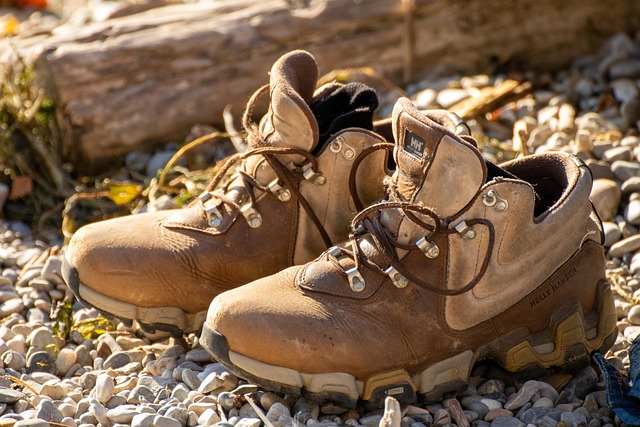
Discover the Ultimate Waterproof Hiking Shoes and Boots – Comfort, Durability, and Protection Combined!
Key Points
- Know what goes into waterproof shoes: membranes, DWR coatings, seam-sealing, and water-resistant outer materials. Look for them when shopping for shoes or boots.
- Pick boots for rough trails, deep water, snow, and heavy loads since they provide more coverage and ankle support. Pick waterproof shoes for lighter, faster pursuits where weight and flexibility are key.
- Anticipate compromises between waterproofing and breathability as membranes restrict airflow. Handle the sweat with moisture-wicking socks, ventilation-friendly designs, and airing out your shoes on breaks.
- Check product ratings and labels. Some boots and shoes are only marketed as ‘water-resistant’ rather than truly ‘waterproof.’ Look for sealed seams, gusseted tongues, and thick outsoles.
- Keep them waterproof by cleaning at regular intervals, re-waterproofing high-wear areas from time to time, and storing them correctly to extend their lifespan and prevent material breakdown.
- Match footwear to activity, climate, and foot shape. Try both shoes and boots for fit. Consider seasonality and use case. Prioritize comfort and safety over brand alone.
About waterproof shoes or boots.
They employ sealed seams, waterproof membranes like Gore-Tex, or treated leather to keep out water while still allowing your feet to breathe.
Pick based on activity, weight, ankle support, and insulation requirements. Trail hikers tend to opt for lightweight waterproof shoes. Winter commuters choose insulated waterproof boots.
The remainder of this guide contrasts materials, fit, and care to help select the optimal option.
The Anatomy of Waterproof Footwear
Waterproof footwear, including styles like waterproof hiking boots, combines materials, membranes, and construction to keep water out while providing moisture resistance and comfort for your next hike.
1. The Technology
Proprietary waterproof membranes, such as those found in waterproof hiking boots, form the core of the barrier used in modern footwear.
Membranes like Gore-Tex leverage ePTFE with micropores that prevent liquid water from entering while allowing water vapor to escape. This differential enhances comfort, ensuring that sweat vapor escapes while keeping rain out during your next hike.
DWR coatings applied to outer fabrics are designed to repel water and resist wetting. While DWR is effective in light rain and drizzle, once the outer fabric becomes saturated, breathability significantly decreases.
Different brands offer various options; some utilize fluorocarbon-free DWRs that shed water but may wear out faster than traditional chemistries.
Manufacturers now combine membranes with moisture-wicking linings and breathable meshes to effectively push internal moisture toward the shell.
Modern hiking boots feature layered systems, including a waterproof liner, spacer fabric, and a hydrophobic lining to expedite drying inside the shoe, ensuring you stay comfortable on your adventures.
2. The Construction
Seam-sealing and welded seams prevent water from entering via stitch holes. Critical seams get tape or liquid sealant. The more expensive shoes tape the entire liner-sleeve interface.
Welded overlays minimize needle holes and trim weight.
Gusseted tongues and higher collars minimize water entry from above. A gusseted tongue is attached to the sides, creating a tongue-to-collar seam barrier that is important when plunging through puddles or snow.
Boots include collars and gaiter attachments for additional protection.
Thicker rubber outsoles and raised midsoles elevate the foot above the surface of the water and provide a physical shield. Deep lugs and shanks affect mud shedding and water flow, helping maintain drier interiors on wet ground.
Waterproof construction differs from water-resistant methods. The former uses full liners and sealed joins, while the latter relies on treated uppers and sporadically taped seams.
Water-resistant versions withstand light moisture, while waterproof models withstand submersion and prolonged contact.
3. The Ratings
Among industry ratings are hydrostatic head tests, which measure fabric pressure under water before leakage occurs, and IPX-like scales for electronics, adopted by a few brands. Look at labels for hydrostatic numbers or test claims.
Manufacturers use ‘waterproof’, ‘water-resistant’, and ‘weatherproof’ interchangeably. Waterproof means a complete and total barrier system. Waterproof means membrane, and weatherproof falls somewhere in the middle.
Check the product specs for the presence of a membrane, seam taping, and lab test results. Compare lists by rating, membrane type, and intended use to select that perfect model.
4. The Difference
Shoes ride low, provide more flexibility, and prioritize speed. Boots go higher, provide more coverage, and ankle support. Boots fare better in deep snow and heavy rain because collars prevent water from entering.
Shoes weigh less and breathe better, which aids in quick, fiery trips. Boots exchange weight for protection and durability.
5. The Trade-offs
Maximum protection tends to be less breathable and heavier. Coatings wear off. Maintenance consists of reapplying DWR and carefully cleaning membranes.
Waterproof shoes can be hot and stuffy in warm, dry conditions.
Shoes Versus Boots

Waterproof hiking boots and sneakers serve the essential purpose of keeping feet dry, yet they cater to different activities and preferences.
Below are targeted style comparisons for hiking, work, and casual wear, along with actionable advice on activity, climate, and fit.
The Shoe
Waterproof shoes, including waterproof hiking boots, are low-cut, lightweight selections crafted for day hikes, travel, and urban environments. Trail runners sit in this group, providing a rugged, aggressive grip similar to boots but in a lighter, more minimal build.
Most hikers favor these styles for speed and comfort on mixed trails.
Shoes breathe better, making them ideal for hot, dry climes and shorter treks where ventilation counts. When shoes get wet, they dry out much faster than boots, making them more convenient for travel.
Plus, they pack smaller for flights and backpacks, offering great versatility.
However, if a waterproof shoe becomes completely saturated, particularly if the waterproof membrane fails, it can remain wet for days, leading to cold feet and increased susceptibility to blisters.
Shoes trade ankle protection for nimbleness, making them feel better suited to quick forays or technical moves where foot speed matters.
Waterproof sneakers might also be handy for the daily commuter caught in a sprinkle, proving their utility beyond just hiking.
The Boot
Waterproof boots are sturdy, high-ankle footwear made for rugged trails and brutal weather.
Their taller cut provides enhanced upper protection and ankle support, minimizing the risk of rolling with heavy loads.
Boots repel deep water, mud, and snow better than shoes, and in wet or snowy conditions, they’re often the safer option. Rugged construction, stiff midsoles, and thick outsoles give boots superior stability and slip resistance on steep, uneven terrain.
They make them heavier and less flexible, which can slow fast miles.
Favorite styles are hiking boots, snow boots, and heavy-duty waterproof work boots, all with construction tuned to specific tasks.
Boots tend to last longer than shoes, with an average of 800 to 1,000 miles for boots compared to 400 to 600 miles for shoes, making them more economical for frequent, rough use.
The Verdict
Boots are the sensible choice for technical terrain, heavy packs, and wet or cold extremes when that extra protection counts. Shoes triumph for gentle weather, quick hikes, and any adventure where lightness, ventilation, and pace matter.
No single choice fits all—match footwear to trail type, weather, and how you move: use boots for snow and deep mud, and trail runners or waterproof shoes for fast, dry, or mixed routes.
Shoes or boots, give both a shot for fit and comfort before you buy.
Performance in the Field

When evaluating waterproof hiking boots, it’s crucial to assess their performance in various conditions, such as rain, mud, and snow, during back-to-back long-day hikes.
Key metrics include keeping your feet dry, managing sweat, preventing blisters, and ensuring grip on wet or icy terrain. Additionally, the fit and sock selection can significantly impact results, more than many purchasers realize.
User rankings from seasoned hikers reveal clear trade-offs: some waterproof boots offer wide-ranging utility, while others excel in grip or breathability.
Wet Conditions
Waterproof hiking boots are essential for keeping the water out during steady rain, quick stream crossings, and muddy trails, especially when they feature sealed seams and good water-repellent coatings.
Taller waterproof boots can withstand deeper puddles and streams better than shorter options. Some rain boots can handle over 30 centimeters of standing water and still keep your feet dry, while others may falter in shallow puddles.
Coatings and seam sealing are crucial for preventing splash and puddle penetration, while rubber shells can offer virtually impermeable protection.
Traction varies across styles: certain waterproof boots provide excellent grip on wet rocks and packed mud, but many lack the necessary arch support, which can tire your feet on long, wet routes.
It’s important for purchasers to remember that not all rain boots are created equal, especially when it comes to outdoor performance footwear.
A non-breathable boot will trap water against your foot, leading to blisters and increasing the risk of trench foot during extended wet wear.
If socks and liners are not suitable, sweat moisture can become more problematic than external water, highlighting the importance of choosing the right shoe for your next hike.
Dry Conditions
Waterproof shoes are handy in dry environments as well, shielding from morning dew, dew-covered grass, and unintended sloshes. They provide an extra layer of protection for city rides and early-season treks.
Many waterproof constructions compromise breathability, meaning feet can bake in sweaty, hot air. Select models featuring breathable membranes and moisture-wicking linings to reduce internal humidity.
When you take extended breaks, if it’s safe, take off your boots and air out your socks and feet. This easy move reduces blister danger and pain.
Fit influences sweating. A snug but not tight fit improves blood flow, reduces excessive sweat, and keeps feet comfortable over long hours. Sock strategy, which includes thin synthetic liners and thicker outer socks, wicks moisture.
Four Seasons
Waterproof boots prove their true versatility in the field, transitioning from soggy fall hikes to dustings of snow.
Insulated waterproof boots are great for the colder months, and certain rain boots can serve as winter options in warmer climates when paired with thick socks. Lightweight waterproof versions work for summer hikes when breathability is at its peak.
Limitations exist. Many waterproof shoes are not made for deep snow or hard ice. For winter backcountry or icy tours, purpose-built insulated and crampon-compatible boots are preferable.
Try to pair shoes to season patterns and trail demands, instead of praying one shoe will do it all.
The Breathability Myth
Waterproof shoes can be breathable, especially those designed with a waterproof membrane and lightweight shoes.
This comes down to the construction and design, as not every waterproof boot sweats equally, separating fact from faith.
Airflow Reality
Most waterproof hiking boots feature membranes that restrict airflow.
While they allow vapor to escape, this process is less efficient than that of an open mesh. EPTFE or other membranes permit vapor diffusion; however, convective air movement remains limited, leading to heat and moisture accumulation during extended efforts.
Gore-Tex and other laminated membranes achieve higher lab-measured breathability ratings than plain-coated nylon or rubber.
Coated nylon keeps water out but offers minimal vapor transfer, which is crucial for outdoor performance footwear.
Proprietary membranes from smaller brands can compete with well-known systems, but the performance relies on the specific laminate, bonding to the fabric, and the shoe’s fit.
When selecting waterproof boots, look for designs that incorporate deliberate airflow aids such as mesh panels, ventilation ports, or gusseted tongues to enhance comfort while maintaining waterproofing.
This balance is essential for your next hike, as there is an inverse relationship between breathability and maximum waterproof performance.
Sweat Management
These things need moisture-wicking socks and liner materials inside those waterproof hiking boots. Merino wool blends or synthetic wicking fabrics transport sweat away from the skin, significantly reducing the wet-feet sensation.
Liner systems with thin breathable materials accelerate evaporation, even when the shell restricts vapor transmission, enhancing the overall performance of your outdoor footwear.
After a long hike, remove insoles and let your shoes breathe to eliminate odors and bacterial buildup. Let your waterproof boots dry at room temperature, and avoid direct heat, which can permanently damage membranes and glue.
Foot powders and antiperspirant sprays provide additional control for heavy sweaters, helping keep your feet comfortable during your next adventure.
Uncontrolled sweat causes blisters in no time. Intercept moisture before your hot hikes or high-exertion routes to prevent skin breakdown and fitness loss.
Material Evolution
Waterproof footwear transitioned from full-rubber galoshes to treated leathers, coated synthetics, and advanced membrane laminates.
DWR sheds surface water, seam taping removes stitch leaks, and multi-layer membranes optimize the balance between water resistance and a certain amount of vapor transfer.
Manufacturers now prefer lighter, more flexible constructions that keep weight down while still maintaining protection. These decisions apply to city riders and mixed-condition fastpacking.
Standout features of new waterproof models include:
- spray or wash-in renewable DWR finishes
- Fully taped seams for stitch-point integrity
- Laminated membranes integrated into upper panels
- Targeted mesh or vent zones behind protective overlays
- Replaceable insoles and antimicrobial linings
Which is Best for You?

Choosing between waterproof hiking boots and sneakers depends on your body, lifestyle, and the climate you navigate. Consider your anatomy, anticipated weather, and activity level before narrowing down options.
Dedicated advice for men, women, and kids breaks down functional choices, fit subtleties, and when to opt for waterproof boots over non-waterproof ones.
For Men
Robust waterproof hiking boots are essential for men who conquer rough terrain or haul heavy loads on their next hike. Seek out either full-grain leather or synthetic uppers equipped with seam-sealed waterproof membranes and aggressive lug patterns for optimal traction.
These waterproof boots, along with DWR coatings, fend off wet and cold, which is especially handy in winter, early spring, or mud season.
Bear in mind that breathability tends to fall off compared to non-waterproof models. For job sites and outdoor labor, waterproof work boots with slip-resistant soles are perfect.
Opt for steel- or composite-toe boots with TPU midsoles when you spend all day standing on wet surfaces.
Reinforced toe boxes and wider lasts accommodate larger foot sizes while providing impact protection.
For weekend trips and easy treks, men’s waterproof sneaker boots combine style and water protection, making them ideal for wet commutes and mixed urban trails.
If you have broad feet, go for wider fits and reinforced toe boxes or consider swapping in orthotics. A secure midfoot fit keeps heel lift to a minimum when bearing heavier loads.
For Women
Lightweight waterproof hiking boots and shoes with narrower heels and higher arches significantly decrease heel slip and enhance comfort on the trail.
It’s essential to search for lasts and insoles specifically designed for the average woman’s foot geometry, focusing on styles that balance waterproof membrane protection with breathability.
Chic waterproof sneakers and booties are perfect for city exploring and soggy rides to work. Select models featuring cushioned midsoles and flexible soles for comfortable walking on pavement.
Brands that provide women-specific lasts and targeted cushioning typically fit better out of the box, ensuring a great outdoor performance.
With adjustable lacing systems and gusseted tongues, you can achieve a snug fit for various foot shapes while maintaining waterproof integrity and keeping debris out.
Compare trail-specific waterproof shoes with non-waterproof options for hot, high-exertion adventures, as breathability is crucial for your next hike.
For Kids
Easy-on, easy-off waterproof boots promote independence and streamline routines.
You can choose either pull-on boots or boots with wide openings and easy fasteners.
Sturdy, lightweight, waterproof shoes are best for raggedy play and school.
Weighty leather boots quickly tire little legs. Secure closures—hook-and-loop straps or tight elastic laces—and non-slip outsoles minimize slips on wet playgrounds.
Size up one full size in most cases to permit growth and thicker socks in the colder months.
This makes waterproof boots survive a season.
Waterproof choices shine in those cold, wet conditions. For warm, arid hikes or high-intensity trail runs, choose non-waterproof for superior breathability. Personal preference and fit are still king.
Extending Footwear Life

To maintain your waterproof hiking boots and ensure their longevity, a defined maintenance strategy is essential.
This handy checklist includes cleaning, re-waterproofing, and storage tips that help prevent waterproofing loss and material degradation, keeping your feet dry during your next hike.
Proper Cleaning
Knock off mud and grit after every wear to prevent abrasion and staining. Dried grit is like sandpaper on uppers and soles. Swab up the dirt with a soft brush or cloth, then rinse with lukewarm water before deeper treatment.
Clean tough spots with mild soap and water.
Harsh detergents and bleach remove coatings and harm membranes. Hand-wash insoles and laces separately to remove oils and sweat.
Let insoles air out so you don’t trap bacteria that cause stink. Dry air in a ventilated place, not by radiators, ovens, or direct sunlight, as heat warps foam, dries out leather, and breaks adhesives.
All of these can shorten life and cause odors by reducing breathability.
Re-Waterproofing
Respray every 1–3 months, or after heavy exposure to rain and mud, depending on how much you wear them and how much you’re exposed to water.
Use products matched to the material: silicone or fluoropolymer sprays for synthetics and wax or oil-based dressings for full-grain leather.
Test water resistance by sprinkling some water on the upper. Beads mean repellency is still intact, while spread means it’s time to treat. Focus treatment on seams, flex points, heel collars, and toe boxes where wear is highest.
Re-waterproofing restores repellency, keeps membranes working, and can add hundreds of miles to effective life. Remember that waterproofing isn’t permanent and does require maintenance.
Correct Storage
Store shoes in a cool and dry location with good air circulation. This will prevent mold, mildew, and odors. Never fold, crunch, or compress boots.
This will crease membranes and break seam tape.
We recommend inserting shoe trees or stuffing the shoes with newspaper to maintain shape and absorb residual moisture.
For extended breaks between usage, rotate multiple pairs to allow materials to rest.
Avoid sunlight and heat as much as possible because they cause UV damage and breakdown to the materials. Prolonged sun weakens glue and dries out leather.
Right-sizing counts for lifespan.
Choose shoes with a half-size breath at noon-foot swell; the right size leads to less wear and fewer blisters. Note that lifespans vary: trail runners last 400 to 600 miles, hiking boots last 800 to 1,000 miles, but real wear depends on terrain, load, and care.
Routine maintenance checklist
- Clean after each use.
- Dry fully before storage.
- Re-treat every 1–3 months or as tests indicate.
- Inspect seams, sole bond, and membrane flex areas monthly.
- Replace insoles and laces when worn.
Our Conclusion
Selecting waterproof shoes or boots really boils down to use, fit, and care.
Boots fit hiking, heavy rain, and mud.
Boots conquer rough trails, deep snow, and long work days.
Choose trusted membranes such as Gore-Tex or well-sealed leather.
Check soles for grip and the midsole for support. Test equipment with your socks and insoles.
Clean and reproof leather. Waterproof shoes or boots? Mini field tests at home, such as a walk in wet grass, reveal how the gear performs.
End with one clear step: pick the style that fits your days, try it on with real gear, and plan a care routine so your footwear lasts and keeps your feet dry.
Frequently Asked Questions
Are waterproof shoes as protective as waterproof boots?
Waterproof hiking boots typically provide increased ankle support and longer seals for extended exposure to moisture. Waterproof sneakers can be fully waterproof as well and are lighter for shorter or urban use. Decide based on terrain, ankle support requirements, and how long you’ll be dealing with wet feet.
Do waterproof membranes stop sweat and odor?
Waterproof membranes block liquid water while allowing some vapor to escape, making them ideal for waterproof hiking boots. They minimize sweat without completely blocking it, ensuring comfort on your next hike.
Can waterproof footwear be resoled or repaired?
Most good waterproof hiking boots that are stitched or welted can be resoled and repaired, while bonded or glued shoes are more difficult to repair. Before purchasing, consider the company’s construction and repair policy for your next hike.
How do I maintain waterproofing over time?
Wash off mud and salt after each use. Re-treat with a suitable waterproof product for the outer material and condition leather when necessary. Keep shoes dry and ventilated. Daily maintenance preserves performance and life.
Are waterproof shoes good for hot climates?
Opt for waterproof hiking boots with known breathability to ensure comfort during your next hike, and wear moisture-wicking socks to minimize overheating and chafing.
How much should I expect to pay for reliable waterproof footwear?
Count on mid-range to pricey options for solid, truly waterproof hiking boots or shoes. Leather, sealed seams, and durable construction provide exceptional moisture resistance, ensuring they last longer and perform better.
How do I test if footwear is truly waterproof before buying?
Test for sealed seams, trusted membrane brands, and independent reviews, especially for waterproof hiking boots. A simple at-home test is to pour a little water over the shoe to assess its moisture resistance. This is not recommended for long-term testing, but it can help determine if you have the right shoe for your next hike.



8 Comments