
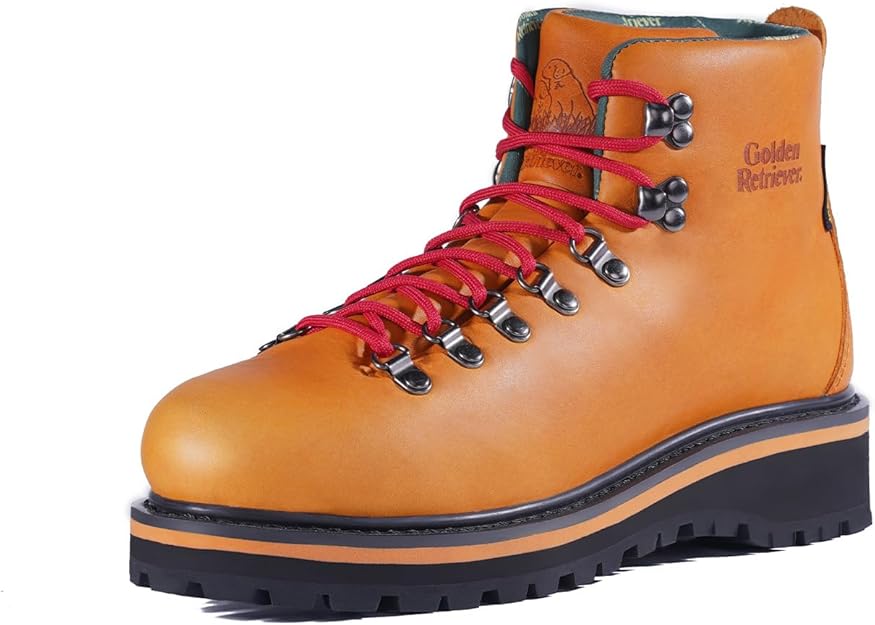
How to Care for Leather Hiking Boots the Right Way
Key Takeaways
- Create an easy ritual after each hike to clean, dry, condition, and waterproof your leather boots. Consistency adds years to their life, keeps them comfortable, and keeps you out of expensive cobbler’s shops.
- For best results and breathability, match your leather’s care to its type. Read your labels, don’t mix and match incompatible products, and opt for treatments specially made for full-grain, nubuck, or suede.
- Clean smart, dry, and safe to protect the structure and finish. Use soft brushes and mild cleaners. Dry at room temperature and avoid direct heat or machines.
- Condition and waterproof on a schedule that suits your climate and usage. Condition more in dry areas and waterproof more frequently in wet or humid conditions.
- Address damage and stains with targeted treatments and expert assistance, as needed. Treat oil, ink, or salt marks and similar issues with recommended solutions and go to cobblers for sole repairs or deep gouges.
- Maintain a compact kit to facilitate on-the-go care. Think of a soft brush, mild soap, leather-specific conditioner, compatible waterproofing, a microfiber cloth, spare laces, and moisture-absorbing packets.
Caring for leather hiking boots involves cleaning, drying, and conditioning to maintain grip, shape, and water repellency.
Clean off mud with a soft brush, then wash with mild soap and cool water. Air-dry at room temperature, away from heat.
Use leather conditioner and then wax for a good water seal. Inspect stitching, laces, and midsoles for wear.
Store in a cool, dry place. Below, discover leather care steps, tools, and timelines that match real trail use.
The Boot Care Philosophy
The Boot Care Philosophy emphasizes that a proper cleaning process keeps your beloved leather boots strong, dry, and safe. Regular chores and basic supplies are essential for maintaining the quality of leather boots.
Prioritize routine cleaning and conditioning to extend the lifespan of your leather hiking boots.
Dirt and sand must be cleaned before it eats the fibers. Once dry, brush off dirt with a soft brush after each hike, then wipe with a damp cloth. For caked mud, use lukewarm water and mild leather cleaner. Avoid hot water because it stresses the leather.
Air-dry at room temperature and out of direct heat. Sleep with plain paper to wick moisture and aid shaping. When dry to the touch, which typically takes 12 to 24 hours, condition the leather. Apply a pH-balanced cream or wax to full-grain leather, and a lighter lotion to nubuck.
Rub a thin, even coat with a cloth, allow it to soak, and buff lightly. Condition more in dry climates or winter, salt and less in humid, low-abrasion seasons. Well-hydrated leather resists cracks, remains supple at flex points, and retains seam sealants better.
Treat scuffs, scratches, and gouges as natural signs of adventure, not flaws, unless they compromise boot integrity.
Top scuffs are par for the course. For full-grain, a quick rub with a clean fingertip or a spritz of conditioner usually smudges the mark away. On nubuck, a gum eraser or nubuck brush removes shiny spots.
Shallow scratches are cosmetic, so seal with a microlayer of wax or cream to keep out water. Watch for red flags: cuts that expose lining, gaping seams, delaminating toe caps, or creases that split when flexed. Those can invite water and accelerate rot at the welt, midsole, or shank junction.
Avoid harsh chemicals and improper repairs; opt for professional help with deep gouges or sole issues.
Pass on bleach, harsh solvents, and silicone-laden sprays. They remove oils, clog pores, and degrade bond lines at the rand. No superglue on leather; it cures brittle.
For deep gouges that penetrate beyond the grain, request a cobbler to fill and blend with leather compound, then recolor and topcoat. If outsoles are slick, cupped, or the lug depth is less than 2 to 3 millimeters, schedule a resole with OEM or Vibram units.
Rand separation, cracked midsoles, or broken eyelets require shop work. A quality fix is better than a band-aid that breaks on the trail.
Embrace a maintenance mindset by integrating boot care into your post-hike routine for consistent performance.
Build a quick loop: brush, wipe, dry, condition as needed, and reproof when water stops beading. Keep dry. Track care on your phone: date, kilometers hiked, terrain, and last resole.
Rotate pairs on multi-day trips to allow sweat to evaporate and foam to rebound. Little habits stave off big expenses and keep fit, grip, and weather-proofing solid.
Understand Your Leather Type

Different leathers, including full-grain, top-grain, nubuck, suede, and bonded, age and react to care differently. Knowing your boot’s leather, along with any membrane such as Gore-Tex, directs product selection, preserves breathability and prevents harm.
Know Your Leather Type: Read the maker’s label and pair products to the leather type.
| Type | Key traits | Care focus | Compatible waterproofing |
|---|---|---|---|
| Full-grain (smooth) | Dense fiber, high durability | Oil balance, pore-friendly care | Creams, silicone-free sprays |
| Top-grain (smooth) | Slightly sanded, more uniform | Light conditioners, mild cleaners | Breathable sprays |
| Nubuck | Sanded outer grain, velvet feel | Nap upkeep, stain control | Nubuck-safe sprays |
| Suede | Split leather, soft nap | Dry cleaning, stain spot-care | Suede-proofing sprays |
| Bonded | Reconstituted fibers | Limited longevity, gentle use | Basic sprays (low heat) |
| Gore-Tex lined | Membrane under leather | Breathability protection | Non-clogging sprays only |
Know your leather: each leather’s fiber structure determines its water absorption, stain resistance, and oil requirement. Some, like heavy wax, can clog pores and hinder a boot’s ability to ventilate moisture, which is a bigger danger on Gore-Tex pairs.
Go for metric-labeled volumes and read those product compatibility notes!
Full-Grain
- pH-balanced leather cleaner (low-foaming, rinse-free)
- Light conditioner with natural oils (neatsfoot blend, etc.) and no heavy wax
- Breathable, waterproofing cream or DWR spray for full-grain leather.
- Soft microfiber cloth and horsehair brush
Prevent wax build-up that locks the surface and captures sweat. Keep oil in check with a light conditioner on clean, dry leather.
Use a purpose-built waterproofing cream or a non-silicone spray to maintain breathability for those wet hikes. Buff gently with a soft cloth after conditioning to lift sheen and remove residue.
Nubuck
Utilize a nubuck brush or crepe block to lift the nap and remove grit without slicing the fibers. Use short strokes, emphasizing seams and flex zones where dirt really packs in and wear accelerates.
What about knowing your leather type? Skip the conventional leather conditioners that darken and flatten the nap. Opt for nubuck-labelled sprays, which provide water repellency without leaving slick surfaces.
For stains, begin with a mild soap solution with a few drops in 250 ml of water, or a nubuck cleaner for oil-based marks. Once you’ve cleaned your shoes, apply another nubuck-safe waterproofing spray to maintain water resistance and texture.
Suede
Clean with a suede brush or eraser, brushing with the nap to raise dust and scuffs. Stay away from water-based cleaners or oils because they will leave stains, mat, or stiffen the fibers.
For spot stains, dab a one-to-one mix of white vinegar and water using a clean cloth, then let dry and re-brush. Replenish repellency with a suede-specific impregnation spray, used in light, even passes.
Suede requires suede-labeled products, such as proofers and mild conditioners for split leather. Know your leather type. Read labels and test on a hidden patch first!
The Complete Leather Boot Care Cycle

A repeatable cycle maintains the fit, grip, and strength of leather hiking boots. They’re designed for specific leather types, such as full-grain and nubuck, and it’s important to avoid mixing oil-heavy waxes with silicone sprays. After every rainy or muddy hike, run proper cleaning and maintenance on your beloved leather boots to ensure their longevity.
To keep a simple kit, include a soft brush, mild soap, a gentle leather cleaner, waterproofing products, and spare boot laces.
1. Post-Hike Prep
Sweep away mud and grit immediately with a soft brush. Grit is like sandpaper to seams and eyelets, so take it off before it packs in.
Remove the insoles and laces. This flares out the tongue gusset and accelerates drying everywhere inside the footbed, heel cup, and toe box.
Wipe down the uppers with a damp cloth to remove salts from sweat or sea spray that can stain and dry out the leather. Examine flex lines for silt buildup.
Scan for loose stitching, delamination at the rand, lifted toe bumper, or cupped heels. Catch problems before they exacerbate under stress.
2. Deep Cleaning
Grab some lukewarm water, dilute it with a little bit of saddle soap or a mild leather cleaner. Harsh detergents remove natural oils and damage breathability.
Outsoles and lugs need to be scrubbed with a stiff brush to purge clay and tiny stones. Rub the leather with a soft brush or sponge, working in small circles to loosen soil without scuffing the grain.
Rinse with clean water until no more suds appear. Soap residue prevents conditioner absorption and can leave dull spots.
Air-dry at room temperature. No radiators, no campfires, no car dashboards. Heat warps midsoles and cracks leather.
3. Leather Conditioning
Working a thin, even coat of compatible conditioner into clean, slightly damp leather with a soft cloth. Wet fibers shift, absorption is superior.
Focus on creases and flex points throughout the vamp and ankle. These areas initially shed oil and crack under repetitive stress.
Buff out excess product or you’ll get a sticky film that collects dust. I like neutral cream for nubuck so that it doesn’t darken it.
Reapply every 2 to 4 months, or following multi-day rain, to keep fibers supple and micro-cracks at bay.
4. Waterproofing
Pick a product that fits your leather: cream or wax emulsion for full-grain, and a spray for nubuck to maintain the nap. Mixing systems can clog pores.
Use when still a bit moist to assist capillaries in sucking treatment. Cover seams, stitching, tongue gusset, and lace eyelets.
Allow boots to dry at room temperature so the barrier sets. Try a few drops of water. It beads, and coverage is good.
5. Proper Drying
Dry in a ventilated room, out of the sun, and away from heaters. Heat can unglue midsoles and shrink leather.
Stuff with newspaper or a low-heat boot dryer to wick moisture from the toe. Change the paper as it becomes wet until it is fully dry.
Store in a cool, dry place with stable temperatures and light airflow. Boot trees preserve shape and prevent creasing.
Advanced Restoration Techniques

Applied properly, advanced techniques can resuscitate weary leather hiking boots to safe, trail-ready form without compromising the boot’s integrity. Begin with clean, dry leather boots and work from the upper to the outsole. Always test products on a concealed area for color shifting and finish alteration.
- Targeted stain removal (oil, ink, salt)
- Color reset with leather dye or cream polish
- Heat-assisted conditioning and rehydration
- Edge and welt repair with adhesive and clamps
- Stitch reinforcement with waxed thread and awl
- Midsole/outsole restoration and shop-level resoling
- Finish sealing and waterproof topcoat
Pulled stains? Learn our advanced restoration method with easy, targeted actions. For fresh oil, blot, then dust with baking soda and wait 8 to 12 hours before brushing off. Repeat if a halo persists. For set oil, create a thin paste with baking soda and a couple drops of water, apply, dry, and brush.
For ink on smooth leathers, dab isopropyl alcohol (70%) with a cotton swab, working only on the mark. Stop at the first sign of dye lift to avoid damage. For salt lines, wipe with a 1:1 mix of white vinegar and water, then rinse with a damp cloth and dry. Please don’t scrub nubuck or suede boots; instead, use a crepe brush and a little suede cleaner. Deep scuffs don’t tend to disappear, so reduce them with matched-color products.
Fade color restoration with matched dye or polish. Clean and deglaze smooth leather with a dedicated deglazer to remove old wax. Use a dauber to apply penetrating dye in thin, even coats, allowing each coat to dry according to the label. Buff, then set the color with a cream polish in the same shade to even out the tone and provide light protection.
For full-grain matte boots, prefer cream over wax to maintain breathability. On nubuck, apply a nubuck recoloring spray, brushing fibers post-drying for an even nap. Test color first, darkening as anticipated.
Rehydrate leather with a good conditioner every 3 to 6 months, more frequently in dry climates or after you get wet. Warm the boots a bit (room-temperature, not hot) to open pores, then massage in a thin layer of conditioner. Wipe excess after 15 minutes. Excess oil can soften the structure and loosen stitches, so keep it light.
Basic cleaning, such as dusting off with a soft brush or sponge, reduces grit abrasion and extends wear. Take care of the shaft and sole work with appropriate tools. Any small edge lifts can be addressed with flexible cement and overnight clamp pressure. Loose stitches can be locked with a saddle stitch and waxed thread.
For scuffed, delaminated, or detached soles, a trusted cobbler (shoe repair shop) is a friend worth having. A resole and midsole refresh can add several years to your current rotation and improve grip. Seal the finish with a breathable waterproofing product and let it cure completely before use.
Adapting Care to Climate
Caring for your hiking boots depends on temperature, moisture, and the frequency of use. Following proper cleaning instructions helps mitigate wear, maintain fitness, and prolong the life of your beloved leather boots.
Increase conditioning frequency in dry, arid climates to prevent leather from drying and cracking.
Low humidity sucks oils right out of leather, so condition more frequently to keep fibers supple. After every dusty hike, brush off grit with a soft brush, wipe with a damp cloth, allow to dry at room temperature, and then apply a thin, even layer of a neutral cream or conditioner designed for full‑grain leather.
In desert or high‑altitude zones, expect to condition every 2 to 4 weeks if you hike every week, or every second outing on abrasive trails. Apply sparingly to prevent pore blockage. Excess product erodes stitch seams and collects lint.
Check your flex points—toe crease and instep—for micro‑cracks. If you notice whitening or a papery feel, condition that day. Steer clear of heat above 40°C that bakes oils out and warps midsoles.
Use waterproofing treatments more often in wet or humid environments to maintain water resistance.
Water plus flex breaks down DWR quicker. Use a water‑based spray or wax‑emulsion after cleaning whenever water ceases to bead. In constant rain, river crossings or wet meadows, reproof after every wet excursion.
In mild, dry weather, after every third tour suffices. Wax‑heavy pastes provide powerful repellency but sacrifice some breathability and are better suited to winter slush or long, rainy days.
Sprays keep things breathable and are ideal for slushy, mixed conditions or lined boots. Warm the boots a little with room‑temp air for optimal uptake, then buff. Treat seams, tongue gussets, and welt edges always. These are the areas that fail first.
Store boots with moisture-absorbing packets in humid areas to prevent mold and odors.
Moisture welcomes mold, rot, and rusted eyelets. After any wet day, pull out the insoles, fill them with dry paper for 2 hours, then air-dry in the shade and with ventilation. Place silica gel or reusable desiccant packs inside each boot while stored.
Insert cedar shoe trees to maintain shape and soak up light moisture. Never pack wet boots in boxes or plastic containers. If you see mold, wipe with a 70% alcohol solution, dry completely, then recondition.
Light scent deodorizer sprays for shoes are helpful, but avoid strong scents that mask moisture problems.
Adjust care routines seasonally, considering local weather patterns and terrain conditions.
Winter: Salted, icy roads are harsh. Rinse salt with lukewarm water after each walk, dry, then reproof weekly.
Spring: Mud carries grit. Clean promptly to prevent seam abrasion.
Summer: Heat and dust demand more frequent cleaning and light conditioning.
Autumn: Frequent rain needs consistent reproofing. Frequency depends on use and environment, so monitor water beading, flex feel, and drying time.
Care is time-consuming, but it rewards you with an extended life. Combination products that clean and reproof can quicken the chore on hectic weeks.
Common Care Catastrophes

Minor blunders dismantle leather quickly, especially when it comes to beloved leather boots. These care mistakes cause the most destruction and detail how to sidestep them in easy, repeatable routines that suit hectic schedules and temperate climates.
Avoid using a washing machine, harsh detergents, or direct heat, which can ruin leather boots.
What goes wrong: Machine-wash cycles can force water into fibers, strip oils, and deform midsoles, especially in high-quality leather boots. Strong cleaners raise pH, dry the hide, and cause cracks in the leather uppers. Direct heat from radiators, heaters, or open sun drives out natural oils, warping welts and glue, which is crucial for maintaining the integrity of leather hiking boots.
Why it matters: Leather relies on a balance of moisture and oil to remain flexible and waterproof, making proper cleaning essential for longevity.
How to do it right: Hand-clean with lukewarm water and a soft brush. Use a mild leather cleaner that is pH-balanced or a small drop of gentle soap if needed. Rinse with a damp cloth, not a soak, to protect your beloved leather boots.
Dry at room temperature with airflow for 24 to 48 hours, stuffed with plain paper to wick moisture and hold shape. When it’s dry, recondition with a light, even coat of leather conditioner to ensure your leather hiking boots remain in top condition.
Example: For a mud-packed upper, brush off dry dirt first, spot-clean seams, avoid soaking the tongue, and never set boots on a heater to speed up drying. Following these boot care instructions will help maintain your favorite leather boots for years to come.
Prevent salt stains and water marks by wiping boots promptly after exposure to snow or rain.
What goes wrong: Dissolved road salt and minerals wick into the vamp, leaving white rings and stiff spots.
Why it matters: Salts break down the finish, invite micro-cracks, and weaken stitching.
How to do it: Once indoors, wipe the leather with a damp cloth before it dries. For dried rings, mix one part water and one part white vinegar, lightly wipe the marks, then follow with clean water and a dry cloth.
Recondition after the boots are completely dry, replacing oils.
Example: Winter commute—carry a small microfiber cloth; a 30-second wipe at the door prevents hours of recovery later.
Never store boots in a damp, unventilated space, as this encourages mold growth and leather deterioration.
What goes wrong: Low airflow and high humidity feed mold spores and rot threads.
Why it matters: Mold stains are hard to remove and can weaken the lining and insole board.
How to store: Dry boots fully, remove insoles, and store in a cool, dry spot with air space around them. Place unsealed shoe trees or acid-free paper to retain shape.
Throw in a couple of silica gel packs if you live in a humid climate. Say no to sealed plastic bins and opt for a breathable fabric bag if you want a dust cover.
Replace worn or incompatible laces and insoles to maintain comfort and support during hikes.
What goes wrong: Frayed laces snap under load. Slick round laces slip in hooks. Crushed insoles reduce arch support and increase hot spots.
Why it matters: Poor lockdown strains eyelets, alters gait, and speeds outsole wear.
How to fix: Choose a lace length that matches the eyelets, with a flat or textured weave for grip. Change insoles every 300 to 500 kilometers, or earlier if you sense heel bruise, numb toes, or new blisters.
Select insoles appropriate for your foot volume and boot last, not thick foam that raises your heel up into the collar.
Example: A day hike with steep descents requires a firm heel cup, a medium arch cut shear, and flat lace holds that keep knots from slipping in wet conditions.
Conclusion
For leather boots to last, follow a straightforward schedule. Clean with every trip. Dry slowly with air. Feed the leather on a regular schedule. Tailor care to your climate. Monitor minor indicators such as dry creases, wet patches, loose eyelets, or a soft heel cup. Repair them early. Use the proper products for your leather. Try on a small area. Log dates, products, and trail notes. Little habits protect soles, seams, and feet.
For a quick check, look at salt lines, smell for mildew, press the toe box for stiffness, and flex the ankle for cracks. That speaks the truth quickly.
Want to get your routine down to a science? What’s your setup, climate, and leather type? I’ll help you choose an easy-to-follow formula.
Frequently Asked Questions
How often should I clean and condition leather hiking boots?
Clean your beloved leather hiking boots following each muddy hike. Proper cleaning and conditioning every 4 to 8 weeks, depending on use and climate, help prevent cracks, retain water resistance, and prolong the life of your quality leather boots.
What’s the difference between full-grain, nubuck, and suede for care?
Full-grain leather footwear requires proper cleaning and conditioning with wax or cream, while nubuck and suede boots need gentle brushing and specialized leather soaps. Always test products first to ensure they won’t darken or damage your beloved leather boots.
Do leather hiking boots need waterproofing if they’re already Gore-Tex?
Yes. Gore-Tex does the internal waterproofing, but leather hiking boots still require exterior protection. After washing, treat with a waterproofing product to prevent soaking, enhance breathability, and decrease drying time.
How do I dry wet leather boots without causing damage?
Remove the insoles and laces from your beloved leather boots. Stuff them with newspaper or use a boot dryer on low. Allow them to air-dry away from direct heat and sunlight, as this proper cleaning process prevents cracks and warping.
What’s the correct order of the leather boot care cycle?
To maintain the integrity and functionality of your beloved leather boots, start by brushing away dirt. Clean leather boots with a mild cleaner, then dry completely. Condition or oil, depending on the leather type, allowing it to absorb before applying a waterproofing product. Buff as necessary, and then store them in a cool, dry location.
How can I restore cracked or dried leather?
Gently scrub the entire boot, then use a leather cleaner or lanolin conditioner. Apply thin layers and be patient as it soaks in. For severe cracks in beloved leather boots, professional resoling or patching may be necessary.
How should I adapt leather boot care to different climates?
In dry climates, condition your beloved leather boots more often to prevent cracking. In wet climates, prioritize waterproofing treatments for your hiking boots and ensure they dry thoroughly. For cold climates, avoid salt buildup on leather footwear and rinse and dry slowly.



3 Comments